
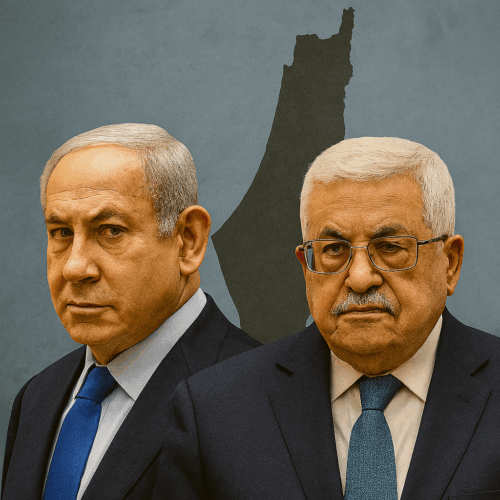
Israeli media outlets have described the recent wave of international recognition of the State of Palestine as a major diplomatic setback, triggering political confusion and strategic uncertainty within Israel. Coverage framed the developments as a loss in the global battle for public opinion and a failure of Israeli diplomacy.
Ynet, affiliated with Yedioth Ahronoth, called the UN vote a “resounding political collapse,” emphasizing the government’s inability to prevent the surge of recognitions and highlighting Israel’s declining influence in international institutions compared to growing Palestinian momentum.
Haaretz reported internal divisions within the Israeli government over how to respond. Prime Minister Benjamin Netanyahu and his ministers reportedly considered measures such as annexing parts of the West Bank or imposing sanctions on Palestinian officials. However, Haaretz noted serious concerns that such moves could backfire and deepen Israel’s isolation, especially with European and American allies.
Walla described the recognitions as a “diplomatic tsunami,” warning that they could erode Israel’s traditional support network. The outlet raised alarms about a possible shift in Washington’s stance and the risk of further recognition by other countries.
|Israel Eyes Sanctions on Palestinian Officials|
The financial daily Globes focused on the economic implications, warning that European governments might impose sanctions, freeze trade agreements, or ban products of illegal Israeli colonies. Such steps, the paper argued, could damage investor confidence and directly impact Israel’s economy.
Across the political spectrum, Israeli leaders expressed near-unanimous rejection. Netanyahu called the recognitions “a reward for terrorism,” while opposition figures labeled the move a strategic threat—though they offered no clear alternative.
Despite international pressure and widespread recognition of Palestinian statehood, Israeli officials—including Netanyahu and his coalition partners—continue to reject the very idea of Palestinian independence. The government remains committed to expanding illegal colonies across the occupied West Bank, including East Jerusalem, in direct violation of international law. These policies also deny core Palestinian rights, including the right of return for refugees and the full withdrawal of Israeli forces and colonists from occupied territory.
Key legal frameworks violated by these actions include:
- UN Security Council Resolution 242 (1967) – Calls for the withdrawal of Israeli forces from territories occupied in the 1967 war.
- UN General Assembly Resolution 194 (1948) – Affirms the right of Palestinian refugees to return to their homes and receive compensation.
- Fourth Geneva Convention (1949) – Prohibits the transfer of an occupying power’s civilian population into occupied territory.
- International Court of Justice Advisory Opinion (2004) – Declares Israeli colonies and the Annexation Wall in the West Bank illegal under international law.
- Rome Statute of the International Criminal Court – Defines the transfer of population into occupied territory as a war crime.
Meanwhile, the Israel Democracy Institute argued that unilateral recognition violates the Oslo Accords, which require direct negotiations. However, Israel itself has been violating and disregarding these accords. The Jerusalem Center for Public Affairs called the move “a historic mistake” that undermines future peace prospects.
Some analysts urged restraint, warning against rash decisions that could worsen Israel’s diplomatic standing. While symbolic, the recognitions were seen as a serious political shift that boosts Palestinian legitimacy and weakens Israel’s international image.
As of September 26, 2025, Israeli attacks on Gaza have killed at least 65,419 Palestinians and wounded 167,160, according to the latest figures from Al Jazeera English and Al Jazeera Arabic. Thousands more are believed to be buried under the rubble.
The humanitarian crisis continues to deepen, with famine conditions now affecting over half a million people across Gaza, and international aid efforts severely restricted.
