
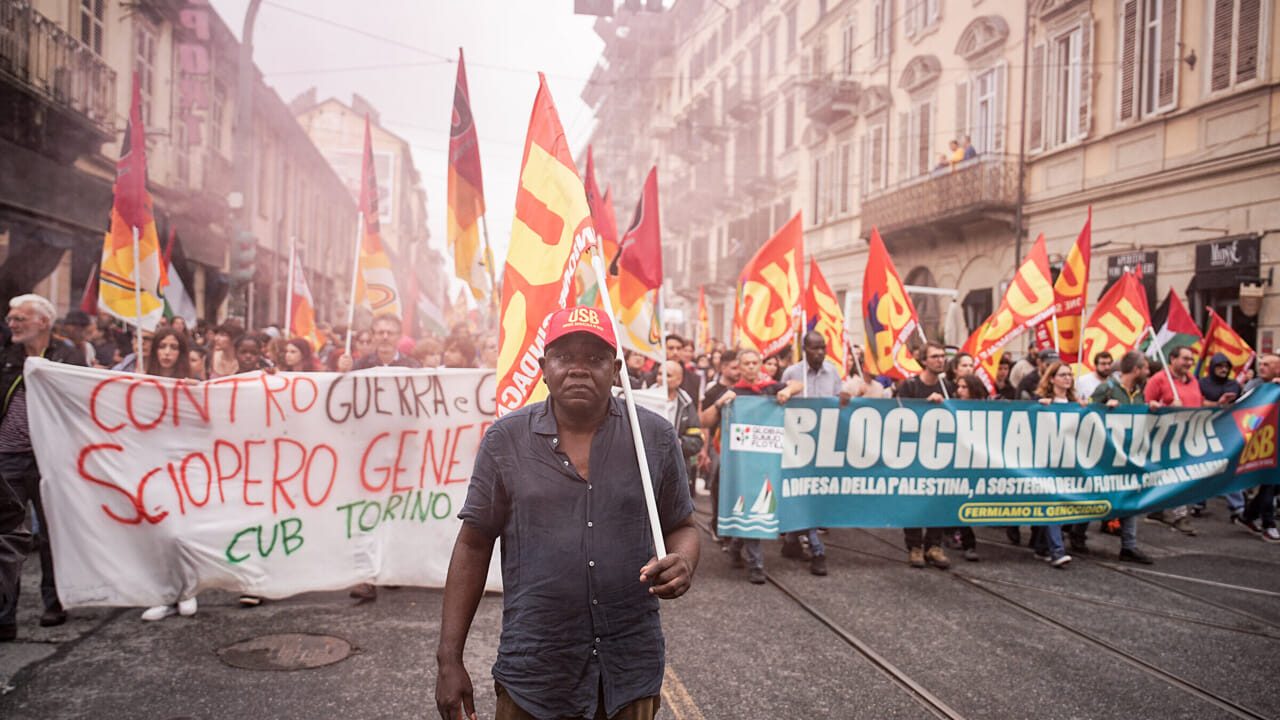
On February 6, workers from over 20 Mediterranean ports, led by the USB union in Italy and groups in Greece, Turkey, Morocco, and Spain, staged strikes to block vessels including the Zim Virginia suspected of arms shipments to Israeli ports such as Ashdod and Haifa. Protests featured Palestinian flags, red flares, and chants for solidarity, with no major clashes reported, echoing similar actions since 2023.
The one-day mobilizations coincided with over 500 Palestinian deaths in Gaza since the October 10, 2025 ceasefire began. No Israelis have been killed or wounded by Palestinians, as the Palestinian resistance has adhered to the ceasefire. Israeli forces, on the other hand, have violated the ceasefire thousands of times, with invasions, forced removals, bombings, shootings and illegal land confiscation.
On the same day, February 6, anti-Zionist activists attempted to cut the Gaza border fence, to break into the largest concentration camp in the world. This action is in solidarity with the strike by the dockworkers across the Mediterranean, protesting against arms shipments to Israel.
Italian dockworkers went on strike nationwide, blocking ports and stopping ships carrying military supplies bound for Israel.
Massive protests took to the streets in Brussels in solidarity with Gaza, denouncing the ongoing violations by the Israeli occupation.
Meanwhile, a group of Australian and Palestinian legal organizations have called on the Australian Federal Police to investigate and take action against retired Israeli General Doron Almog, who is expected to accompany Israeli occupation President Isaac Herzog on his visit to Australia, on charges related to war crimes during his military command in Gaza in 2002.
The allegations focus on orders to destroy Palestinian homes and carry out strikes that affected civilians, actions considered violations of the Geneva Conventions, which legally obliges Australia to open an investigation and detain him if he enters the country.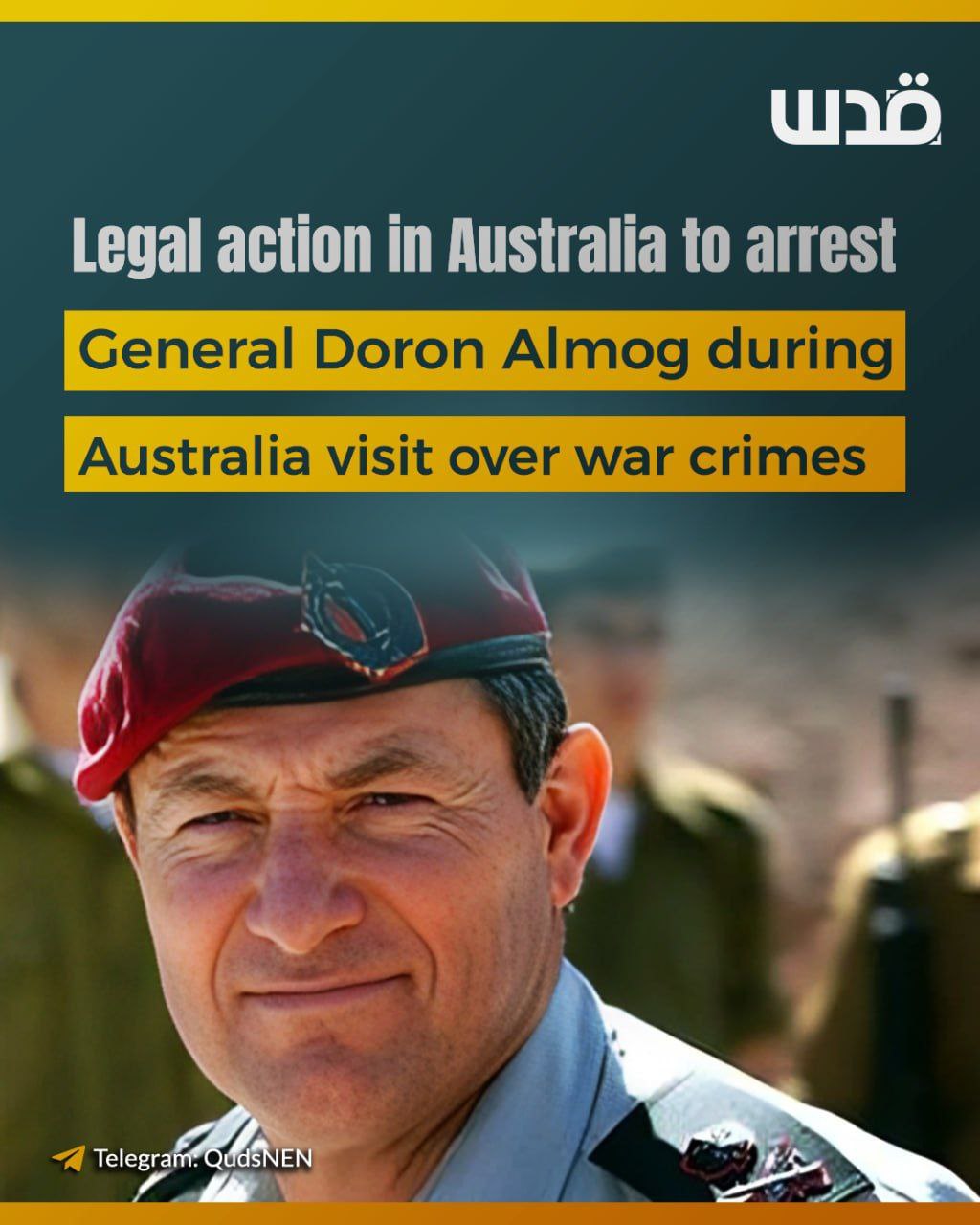
Previously, arrest warrants had been issued against Almog in the United Kingdom, but they were later withdrawn.
The Dutch parliament has voted to cut military imports from Israel, citing ethical concerns and the need for strategic autonomy, signaling a major shift in the Netherlands’ defense procurement policy.
According to Quds News, the dock action, organized by USB Lavoro Privato, slowed operations at major ports including Genoa, Trieste, Livorno, Naples, and Palermo. Dockworkers said the strike followed stalled negotiations over the Ports Collective Agreement and aimed to promote greater transparency in port activities.
Union representatives described the strike as a structured and lawful form of industrial action under Italy’s labor framework. Minimum services remained in place, allowing essential ferry routes and core port functions to continue.
Alongside contract demands, dockworkers protested shipments linked to Israel during the ongoing genocide in Gaza. Union officials said they sought clarity on the nature of cargo handled at Italian ports and called for civilian oversight of military-related transfers.
During the strike, several vessels associated with Israel-linked shipping routes adjusted their itineraries or remained offshore. Union statements and vessel tracking data indicated that ships operated by Zim Integrated Shipping Services and MSC Mediterranean Shipping Company experienced delays.
The Zim Virginia reportedly remained off the coast of Livorno after it was unable to dock during the work stoppage. The union revealed that the vessel carried military cargo bound for Israel, though shipping companies did not publicly confirm the contents.
AIS data showed the Zim New Zealand holding at Fos-sur-Mer in France after a planned call in Genoa. Another vessel, the Zim Australia, waited near Koper in Slovenia instead of docking in Venice and Ravenna as scheduled.
The MSC Eagle III, which had sailed from Israel, also adjusted its route. Tracking signals showed the vessel moving toward Koper anchorage after planned calls in Ravenna and Venice.
Union officials stated that expressions of solidarity appeared at ports in Spain, France, Turkey, Germany, and North Africa. They stated that the action is part of a wider European discussion about labor rights and the ethical use of ports during international conflicts, especialy concerning the occupation state.
