
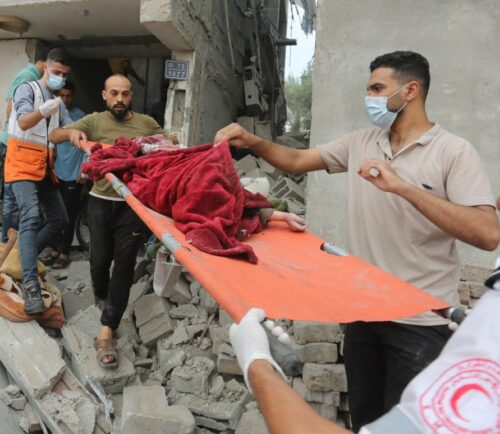
The Gaza Strip on Thursday witnessed another day of Israeli violations marked by deaths, injuries, and the continued recovery of bodies from beneath the rubble of destroyed homes.
Civilian lives remain under constant threat from unexploded ordnance, live fire, and the lingering devastation of earlier bombardments, while medical and civil defense teams struggle to respond under severe resource shortages.
In central Gaza, a child was killed when an explosive remnant detonated inside the al‑Souri family home in Nuseirat Refugee Camp.
In the Sheikh Radwan neighborhood of Gaza City, another ordnance exploded in a residential street, causing injuries.
Meanwhile, east of the Tuffah neighborhood in Gaza City, a teenager was shot by Israeli forces, underscoring the ongoing use of live ammunition against civilians despite the declared ceasefire.
In Gaza City’s Rimal neighborhood, Civil Defense completed a three‑day recovery operation.
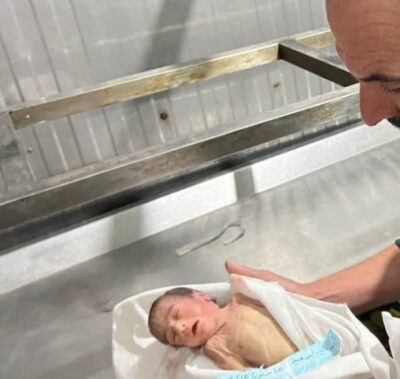
Thirty-day-old infant Saeed Abdeen was brought to Nasser Hospital as a cold body after dying from hypothermia, when his family living in a worn-out tent in the Mawasi area of southern Gaza was unable to save him from the freezing temperatures.
His death comes as the Israeli… pic.twitter.com/Lryz7FgdHH
— Translating Falasteen (Palestine) (@translatingpal) December 18, 2025
Teams extracted the remains of sixty Palestinians from the Salem family, buried under the rubble of the Abu Ramazan family home destroyed during earlier Israeli bombardments.
Seventeen additional bodies, hastily buried near the site during the attacks, were formally recovered.
Rescue workers described the operation as grueling, with some remains reduced to skeletal fragments due to the scale of destruction and severe shortages of equipment.
Civil Defense teams in Gaza City’s Shati Refugee Camp pulled six residents to safety, among them two children from the Dababesh family, when the roof of their home gave way under the pressure of the severe low‑pressure weather system.
In southern Gaza, Israeli forces opened fire east of Khan Younis, killing one Palestinian and injuring several others.
In Al‑Mawasi area of Khan Yunis, an infant Sa’id Abdeen, just one month old, died from hypothermia. His death marks the fourth child in just over a week to succumb to freezing conditions in makeshift tent camps where displaced families are struggling to survive the winter.
The infant’s passing underscores the dire humanitarian crisis facing hundreds of thousands of Palestinians forced into flimsy shelters without adequate heating, blankets, or winter clothing.
Aid agencies have repeatedly warned of rising risks of hypothermia, respiratory illness, and waterborne disease as storms batter the overcrowded camps and flooding overwhelms fragile sanitation systems.
Civil defense and medical teams continue to report mounting casualties linked not only to ongoing Israeli bombardments but also to the collapse of infrastructure and the absence of basic necessities.
 The infant’s death adds to a growing toll of children whose lives are being cut short by exposure, highlighting the urgent need for international intervention and protection.
Nasser Medical Complex reported two injuries in the areas of Baten as‑Sameen and Qizan Rashwan, while two more civilians were shot in Bani Sohaila, east of the city.
In the past twenty‑four hours alone, hospitals received the body of one slain Palestinian and treated thirteen injured.
Since the “ceasefire” announced on October 11, 2025, Gaza has recorded 395 deaths, 1,088 injuries, and the recovery of 634 bodies. Compounding the humanitarian crisis, severe winter weather has claimed thirteen additional lives due to cold and storm conditions.
Medical sources confirmed that the overall death toll in Gaza since October 7, 2023, has reached 70,669, the majority of them children and women. The number of injuries has risen to 171,165, while many victims remain trapped under collapsed buildings, inaccessible to rescue teams.
The violations observed on December 18 reflect recurring patterns: unexploded ordnance continues to kill and maim civilians in residential areas; live fire is directed at unarmed residents, including minors; and mass casualty recovery operations reveal both the scale of earlier attacks and the desperate lack of rescue capacity.
 Combined with harsh winter conditions, collapsed infrastructure, and limited medical access, these factors deepen the humanitarian catastrophe facing Gaza’s displaced families.
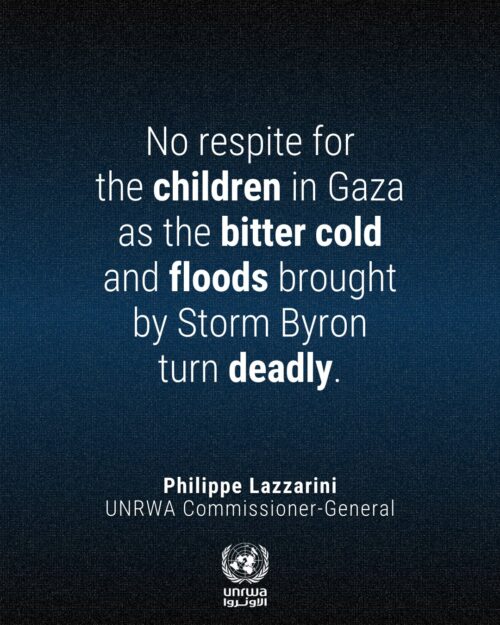
On its part, the United Nations Relief and Works Agency (UNRWA) warned that there is no respite for children in Gaza, as the bitter cold and floods brought by Storm Byron have turned deadly.
The agency stressed that while the storm itself is a natural hazard, its consequences are man‑made, inflicted on a population forced to live amid collapsing ruins, makeshift shelters, and flimsy tents. Families already displaced by months of bombardment now face freezing temperatures and rising floodwaters without adequate protection.
UNRWA noted that thousands of its team members are working tirelessly to pump away water, distribute blankets, and provide basic medical care to those most affected. Despite these efforts, the agency emphasized that much more could be done if humanitarian aid were allowed to flow into Gaza without obstruction
