
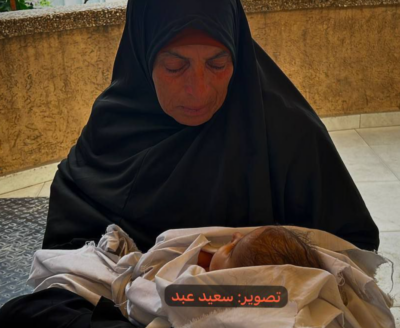
Medical sources in southern Gaza reported on Friday the death of a six‑month‑old infant, Yousef Omar Abu Hammala, who succumbed to severe cold inside his family’s tent in the Mawasi area of Khan Younis, in southern Gaza, where tens of thousands of displaced Palestinians have been sheltering in makeshift encampments.
The infant’s body temperature had dropped sharply overnight amid freezing winds and heavy rain, conditions that the flimsy plastic tents offer no protection against.
Despite attempts by relatives and nearby residents to warm him, he was pronounced dead shortly after.
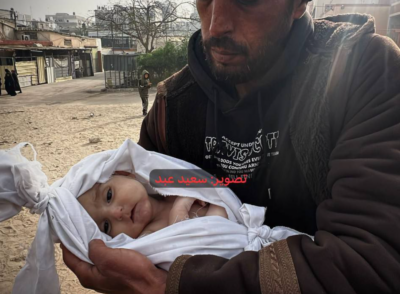 On Thursday, five Palestinians were killed on Thursday by Israeli fire in separate violations across the Gaza Strip, while a three‑month‑old infant, Ali Abu Zour, died from severe cold in Gaza City, underscoring the accelerating humanitarian collapse facing displaced families living without shelter, heating, or adequate aid.
Their deaths bring to 11 the number of children who have died from extreme cold in the Gaza Strip since the beginning of winter, a toll that continues to rise as humanitarian conditions deteriorate and aid remains severely restricted.
In related news, a young man was injured by live fire from an Israeli drone, east of Gaza city, before he was rushed to the Baptist hospital in the city.
Wednesday in which eleven Palestinians, including three journalists, were killed by Israeli gunfire and shelling across multiple parts of the Gaza Strip.
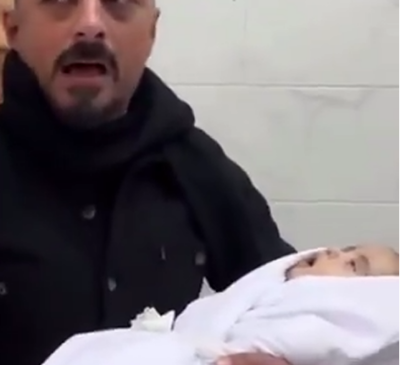
Medical workers say the deaths are entirely preventable and stem from the collapse of basic living conditions, including the absence of heating, adequate shelter, and winter clothing.
Health and humanitarian personnel describe the situation in Khan Younis and across the devastated Gaza Strip as “catastrophic,” with families forced to endure freezing temperatures in overcrowded tent camps that lack insulation, flooring, or protection from rain.
Many tents are pitched in mud, which turns into pools of cold water during storms, leaving infants and young children especially vulnerable to hypothermia.
The displaced Palestinians have no access to fuel for heating or cooking, and that even simple materials like blankets, mattresses, and warm clothing are in critically short supply. Parents have resorted to burning scraps of wood, plastic, or trash to generate minimal warmth, despite the toxic fumes and health risks.
Humanitarian organizations warn that the combination of winter storms, mass displacement, and the near‑total collapse of health services is creating lethal conditions for children, the elderly, and people with chronic illnesses.
Doctors in southern Gaza report a surge in respiratory infections, dehydration, and cold‑related complications, while many families are unable to reach medical facilities due to destroyed roads, insecurity, or lack of transport.
The recent deaths from the cold are stark reminders of the profound vulnerability of Gaza’s displaced population and the urgent need for sustained humanitarian access, adequate shelter materials, and fuel to prevent further loss of life as winter conditions intensify.
