
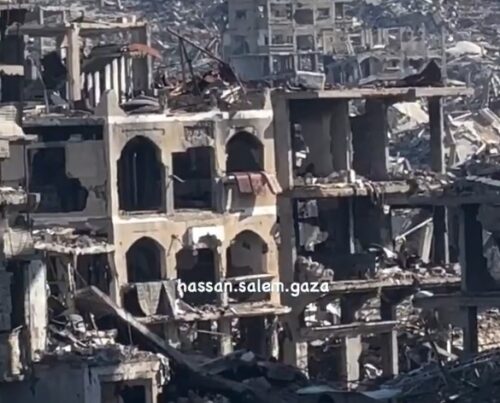
Israeli occupation forces carried out new attacks across the Gaza Strip on Tuesday, December 23, 2025, targeting residential areas, displacement camps, and already‑devastated infrastructure amid a worsening humanitarian crisis and soaring casualty figures.
Local media and humanitarian agencies reported additional deaths and injuries in Gaza City, the central Strip, and the south.
Medical and civil defense teams said Israeli shelling and airstrikes overnight and throughout the day struck densely populated neighborhoods, temporary shelters housing displaced families, agricultural land, and roads used by ambulances and relief vehicles.
Search‑and‑rescue crews continued to pull bodies and injured survivors from beneath the rubble of previously bombed buildings, with many areas still inaccessible due to ongoing military activity and destroyed roads.
Gaza’s health sector, already on the brink of collapse, struggled to absorb the new wave of casualties.
Hospitals and field clinics—operating with severe shortages of fuel, medicine, equipment, and specialized staff—reported overcrowded emergency rooms and intensive care units.
Mahmoud Ismail Shabat, 34, from northern Gaza, was found bound, shot, and bearing marks of hanging after being held for two years in Israeli custody. pic.twitter.com/yRaQYfOWOk
— Ramy Abdu| رامي عبده (@RamAbdu) December 23, 2025
Doctors and nurses described treating patients on floors and in corridors, while many wounded could not receive timely surgery or advanced care because key facilities had been destroyed, damaged, or cut off.
Israel has killed at least 70,668 Palestinians and wounded 171,152 since October 2023, a toll that includes thousands of women and children. Officials warn the numbers will continue to rise as bodies are recovered and new attacks occur daily.
Humanitarian agencies and UN officials warn that the humanitarian response in Gaza is nearing collapse due to Israeli restrictions blocking aid access and forcing international NGOs to shut down.
The Humanitarian Country Team—comprising UN officials and more than 200 local and international aid groups—called on the international community to pressure Israeli authorities to reverse these measures, which threaten the survival of life‑saving operations.
Aid organizations deliver roughly one billion dollars in assistance annually across Gaza, supporting hospitals, clinics, clean water systems, sanitation, emergency shelter, and malnutrition treatment. The forced closure of NGOs would immediately shut down one in three health facilities, cutting care for tens of thousands of patients.
In #Gaza, children continue to pay a high price.
They have lost homes, schools, and a sense of normalcy.Through drawings and songs, they imagine classrooms reopening and homes rebuilt — holding on to hope amid destruction.
Every child has the right to live, learn, have a home,… pic.twitter.com/1GCXHGV15U
— UNRWA (@UNRWA) December 23, 2025
The UN agency for Palestinian refugees (UNRWA) reports that 1.6 million people in Gaza face acute food insecurity, describing the situation as a man‑made hunger crisis.
Despite a “ceasefire” in place since October 10, 2025, humanitarian needs remain overwhelming, with severe shortages of food, fuel, clean water, medical care, and shelter.
Israeli occupation forces continue demolishing citizens’ homes east of Jabalia. pic.twitter.com/muf9xcwSt6
— TIMES OF GAZA (@Timesofgaza) December 23, 2025
Winter storms and heavy rains have further worsened conditions, damaging or destroying shelters and causing flooding in displacement sites. Thousands of families have been affected. The UN and partner organizations continue distributing tents, blankets, warm clothing, and high‑energy food supplies to mitigate the impact of cold weather and flooding.
Israeli military actions continue to violate the ceasefire, with recent attacks causing casualties and damage across Gaza. Humanitarian access remains heavily restricted, with aid convoys facing logistical and security obstacles that further exacerbate the crisis.
The international community is urged to ensure unimpeded humanitarian access and support the renewal of NGO registrations to maintain critical aid operations in Gaza.
