
Colonizers Intensify Qusra Siege and Seizures
Illegal paramilitary Israeli colonizers, backed by occupation soldiers, have intensified their assaults on the Palestinian village of Qusra, southeast of Nablus, in the northern occupied West Bank. The attacks have tightened a prolonged siege on several Palestinian homes and expanded land seizures in multiple areas of the village.
Human rights groups warn that the situation is pushing families toward forced displacement and reflects a broader pattern of escalating colonizer violence across the occupied West Bank.
Homes Besieged for Thirteen Days
Local Council head Abdul‑Athim Wadi said occupation forces and armed colonizers have surrounded three homes in the Ras al‑Ain area for thirteen consecutive days. He said the army declared the neighborhood a “closed military area,” preventing families from entering or leaving.
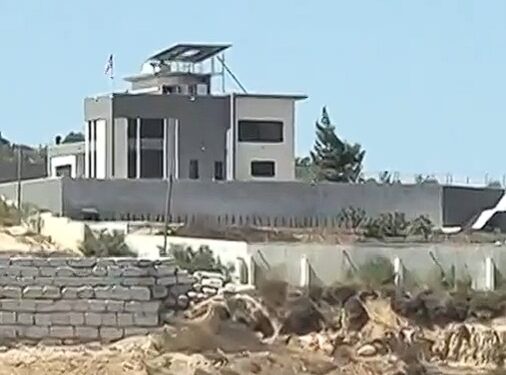
He added that one of the Palestinian homes has already been seized and converted into a military outpost.
Wadi explained that the families trapped inside are running out of food, basic supplies, and essential medications after soldiers blocked all attempts to deliver aid.
He said colonizer groups have been rotating shifts around the homes while soldiers provide full protection, creating a constant threat to residents who have been unable to move freely for nearly two weeks.
Wadi said soldiers destroyed furniture and household belongings inside the home they had converted into a military post.
Wadi identified the property owner as Yousef Abdul‑Salam, who he said is trapped inside another besieged house after soldiers forcibly expelled him and his family from their home under the pretext of a “military closure.”
“أنا صاحب البيت”.. جندي إسرائيلي يدعي ملكيته منزل عائلة فلسطينية احتله برفقة عدد من الجنود في بلدة قصرة بنابلس شمالي الضفة الغربية #فيديو pic.twitter.com/NtFcYEenHQ
— قناة الجزيرة (@AJArabic) August 21, 2026
Israeli soldiers also seized Palestinian homes. In a video published by Al Jazeera, a soldier is shown claiming ownership of the property occupied by the army.
UNICEF: Families Cut Off From Water, Electricity, and Safety
UNICEF spokesperson Kazem Abu Khalaf said that UN teams managed to reach three families trapped in Qusra after nearly ten days without water or electricity. The teams delivered drinking water, food for children, and hygiene supplies.
Abu Khalaf stressed that these deliveries “are not a sustainable solution,” noting that the families need direct protection, freedom of movement, and safe access to essential services — all of which remain blocked by Israeli forces and colonizers.
He warned that the siege is depriving residents of basic protections and pushing them toward forced displacement, which violates international humanitarian law.
UN spokesperson Stéphane Dujarric said UN teams faced severe movement restrictions imposed by Israeli forces while attempting to reach the besieged families.
He emphasized the need to protect Palestinian civilians, safeguard homes and property, and ensure access to basic services amid escalating colonizer violence across the West Bank.
B’Tselem: Land Seizures Expanding Under Military Protection
The Israeli human rights group B’Tselem reported that colonizer groups have intensified land seizures in Qusra, particularly in areas surrounding Ras al‑Ain and the eastern agricultural lands. The organization documented repeated attempts to establish new outposts, bulldoze farmland, and fence off privately owned Palestinian land.
B’Tselem said these actions are carried out under full military protection, with soldiers restricting Palestinian movement, blocking access to farmland, and accompanying colonizer groups during assaults. The organization described the situation in Qusra as part of a systematic effort to expand colonial control and displace Palestinian communities.
Combatants for Peace: International Sanctions Needed
Following the recent escalation, the Israeli‑Palestinian movement Combatants for Peace called on the international community to impose sanctions on Israeli officials responsible for enabling colonizer violence.
The movement said the siege of Qusra, and the takeover of Palestinian homes, represent “a deliberate strategy of dispossession,” adding that colonizer attacks have become more organized, frequent, and violent.
The group urged international pressure to halt the expansion of colonial outposts and protect Palestinian civilians who are facing sustained attacks.
A Community Under Constant Assault
Qusra has been a repeated target of colonizer violence for more than a decade. Documented incidents include armed assaults on homes and vehicles, attempts to establish new colonial outposts, burning of agricultural structures, destruction of olive trees, attacks on farmers and shepherds, and military invasions following colonizer assaults.
Qusra is a Palestinian village southeast of Nablus in the northern occupied West Bank. Human rights groups say its agricultural lands have become a focus of colonizer expansion efforts, including land seizures and attempts to establish new outposts.
Escalation Since Late 2023
Human rights organizations have documented a sharp rise in colonizer violence across the West Bank since late 2023, including the forced displacement of Palestinian communities, repeated attacks on villages, and the use of firearms during assaults. Qusra has also experienced deadly incidents in which residents were killed during colonizer attacks and subsequent military invasions.
Human rights groups say the siege of Qusra fits into a broader pattern in which colonizer violence is used to pressure Palestinian communities, restrict access to farmland, and facilitate de facto annexation.
Humanitarian Concerns Mount
Residents report limited access to water and electricity, shortages of infant supplies and medications for chronic illnesses, and no safe passage for medical emergencies.
They say colonizers stationed around the homes have maintained a constant presence, heightening fears among those trapped inside.
