
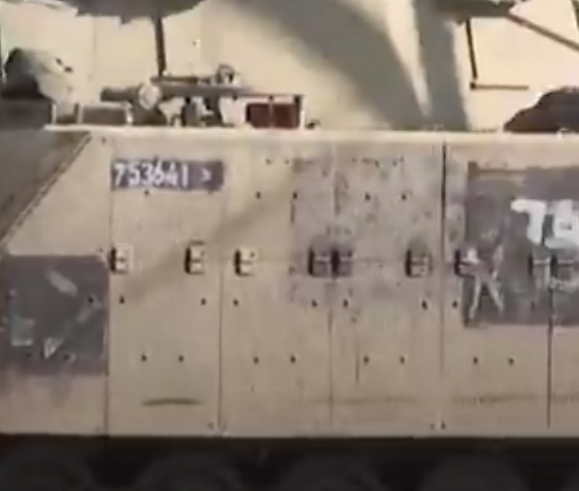
Israeli occupation forces continued a sweeping military offensive for the third consecutive day on Wednesday in Jabal Johar and the southern area of Hebron city in the southern occupied West Bank, imposing a strict curfew, breaking into homes, and assaulting residents as movement in the area came to a near standstill.
Israeli forces re‑sealed the entire area on Wednesday evening, reinstating a full closure and a comprehensive curfew on tens of thousands of residents.
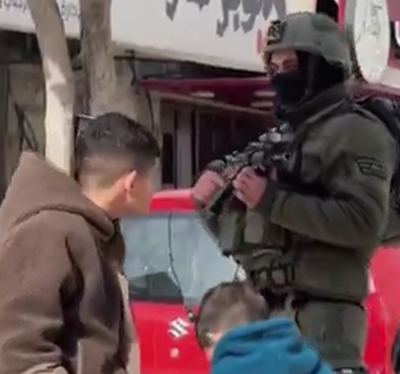 The military offensive, which began three days ago, has included widespread invasions, home searches, and the detention and abuse of civilians.
Medical sources reported that five Palestinians were injured after soldiers assaulted them with severe beatings as they attempted to leave their homes on foot to purchase basic supplies during a brief suspension of the curfew. The victims sustained fractures and bruises and were transferred to hospital for treatment.
Residents said Israeli forces have broken into dozens of homes, deliberately destroyed household contents, abducted and detained numerous civilians, and invaded commercial establishments, damaging doors and property while conducting searches.
The military also isolated entire neighborhoods installed new iron gates at their entrances, and destroyed dozens of civilian vehicles, using the wreckage to block secondary roads.
Human rights activist Farid Burqan stated that the intensified restrictions have halted daily life entirely. Residents are facing shortages of food, essential supplies, and medications, including treatments for chronic illnesses and kidney dialysis.
Burqan added that Israeli forces have prevented or obstructed medical access, leaving patients unable to reach hospitals.
Farmers, shepherds, and owners of more than 100 cattle farms in the affected area issued an urgent appeal, warning that they have been unable to transport their daily production—about 70 tons of milk—to dairy factories since the start of the operation.
The accumulated milk is at risk of spoiling, threatening severe financial losses for families who rely on it as their primary income.
In a related development within the same governorate, Israeli occupation forces abducted Issa Atta al‑Froukh at a military roadblock near Beit Einun, north of Hebron, as he attempted to return to his home in Sa’ir, northeast of Hebron. In the village of Khursa, south of Hebron, soldiers invaded and broke into a home belonging to the al‑Namoura family, searched the property, damaged its contents, and assaulted the residents.
Hebron is one of the most important economic centers in the occupied West Bank, and prolonged military closures in the city have far‑reaching consequences beyond the immediate area.
The governorate hosts the largest industrial base in the West Bank, including factories specializing in stone and marble production, metalwork, furniture manufacturing, textiles, food processing, and dairy products.
The city is also home to major wholesale markets, commercial distribution hubs, and large storage warehouses that supply goods to surrounding towns and governorates.
Many of the West Bank’s construction materials, household goods, and agricultural supplies pass through Hebron’s commercial zones, making uninterrupted movement essential for regional trade.
Hebron’s stone and marble industry—often referred to as “white gold”—is one of Palestine’s largest economic sectors, exporting to regional and international markets.
The city’s Old City markets, despite years of closures and military restrictions, remain a vital commercial artery for thousands of families who depend on daily trade.
Because of this economic weight, any military closure in Hebron disrupts supply chains, transportation routes, and commercial distribution networks across the occupied West Bank.
Traders, factory owners, and transport companies often report immediate financial losses when Israeli forces impose curfews or block movement, as goods cannot reach warehouses, shops, or external markets.
The current military offensive, which has sealed off entire neighborhoods and blocked secondary roads with destroyed vehicles, has therefore paralyzed one of the West Bank’s most critical economic engines, compounding the humanitarian impact on tens of thousands of residents.
