
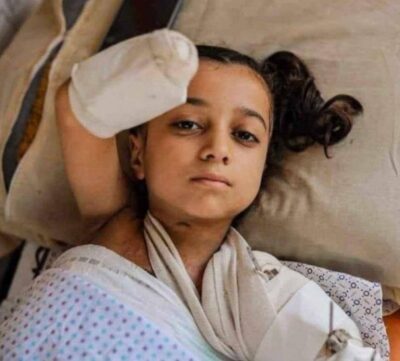
At least 21,000 children in Gaza have sustained injuries that led to disabilities, more than half permanent, since the beginning of the Israeli genocide in Gaza on October 7, 2023, according to a United Nations committee. The figure reflects the scale of long-term harm inflicted on civilians, particularly children, in the occupied Palestinian territory.
The UN Committee on the Rights of Persons with Disabilities reported that approximately 40,500 children sustained war-related injuries over the past two years. More than half now live with permanent impairments, including physical, sensory, and cognitive disabilities.
The committee’s review of the humanitarian situation in Gaza revealed that evacuation orders issued by Israeli forces were often inaccessible to individuals with hearing or visual impairments. Many were unable to receive or comprehend the warnings, rendering evacuation impossible and exposing them to lethal danger.
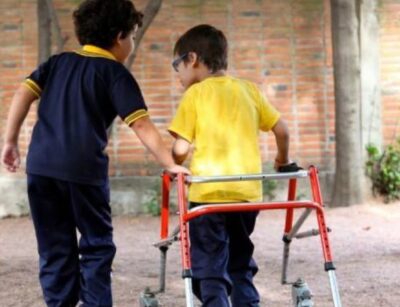 Testimonies collected by the committee described disabled individuals forced to flee under degrading and unsafe conditions, crawling through sand or mud without mobility support, often without assistance or dignity.
Restrictions on humanitarian aid entering Gaza have disproportionately affected persons with disabilities. The committee noted that many are unable to access food, clean water, or hygiene supplies, and are increasingly dependent on others for survival. Interruptions in aid delivery have left thousands without essential support.
Eighty-three percent of disabled individuals in Gaza have lost their assistive equipment, including wheelchairs, crutches, and hearing aids. Most cannot afford replacements and have resorted to improvised alternatives such as donkey carts.
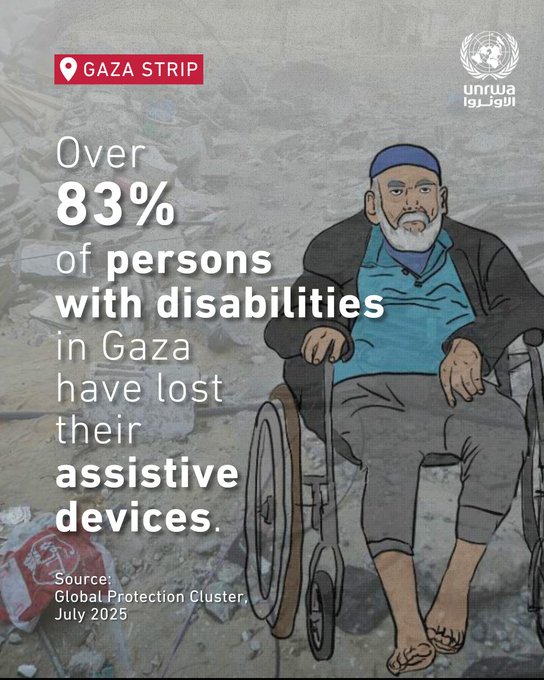 The committee criticized the classification of mobility aids as “dual-use items,” which has led to their exclusion from humanitarian shipments.
Between October 2023 and August 2025, over 157,000 people in Gaza were injured, with one in four at risk of developing lifelong disabilities. The committee called for urgent humanitarian intervention tailored to the needs of disabled individuals and urged all parties to adopt protective measures that prevent further violence, deprivation, and rights violations.
The report underscores the need for inclusive humanitarian response and accountability for the disproportionate suffering endured by persons with disabilities in Gaza.
