
Israeli attacks and the structural collapse of basic services in the Gaza Strip continued to generate new violations and deepen the humanitarian crisis on Wednesday.
Civil defense crews, medical teams, and local authorities described a situation in which people are still being injured, displaced, and exposed to life‑threatening conditions, while thousands of victims remain unrecovered under the rubble of destroyed neighborhoods.
In Jabalia refugee camp in northern Gaza, Palestinians laid to rest Ahmed Abu Hussein, who succumbed to his wounds after being shot by Israeli forces.
The Gaza Ministry of Health’s latest daily statistical report noted that, over the previous 24 hours, 15 people had been confirmed dead, including two newly killed and 13 whose bodies were recovered from beneath collapsed buildings.
The report also confirmed that many victims remain trapped under the rubble and in streets that emergency teams cannot reach because of destroyed equipment, lack of fuel, and ongoing insecurity.
The ministry added that one person had died and another was injured because of a building collapse during winter storms, bringing the total number of people killed by building collapses since the start of the winter season to 25.
These incidents are linked to the widespread destruction of housing, the use of damaged structures for shelter, and the inability of displaced families to access safe, weather‑resistant accommodation.
According to the same report, since the ceasefire announced on 11 October, a total of 449 people have been killed, 1,246 injured, and 710 bodies recovered from under the rubble.
The cumulative figures since October 7, 2023, stand at 71,439 killed and 171,324 injured, the majority of whom are children, women, and the elderly.
Health officials and rescue workers stress that these numbers do not fully reflect the true scale of loss, as many bodies remain unrecovered and some deaths from hunger, disease, and exposure are not immediately recorded in trauma statistics.
On the ground, residents and humanitarian workers reported continued shelling and gunfire in parts of the Gaza Strip, particularly in areas where displaced families have sought refuge in damaged buildings or makeshift shelters.
In several districts, people described being forced to move repeatedly as nearby structures were hit or threatened with collapse, further straining already exhausted families.
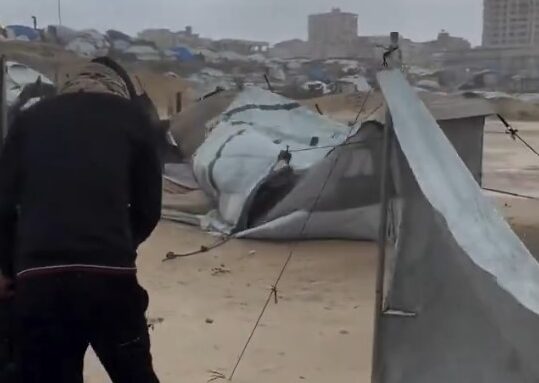
Winter conditions have intensified the suffering significantly. Tens of thousands of displaced people are living in tents or partially destroyed buildings without proper insulation, heating, or adequate clothing.
Heavy rain and intense winds have flooded some tented areas, causing further damage to shelter and increasing the risk of illness. Doctors report rising cases of respiratory infections, diarrhea, and skin diseases, especially among children and the elderly.
The collapse of water, sanitation, and electricity systems have compounded the crisis. Sewage overflows and contaminated water supplies have been reported in several areas, while long power cuts limit the operation of hospitals, clinics, and water pumps.
Medical staff say they are working with severely limited supplies of fuel, medicines, and equipment, forcing difficult choices about which patients can receive treatment.
Food insecurity also continues to worsen. Many families report going days with extremely limited access to bread or basic staples, as aid deliveries remain sporadic and insufficient for the scale of need.
Crowds at distribution points often leave empty‑handed, and some areas, particularly in the north, report receiving little or no aid for extended periods.
Communication disruptions remain a major obstacle. Intermittent blackouts hinder coordination between hospitals, civil defense teams, and humanitarian organizations, delay the reporting of injuries and damage, and prevent families from calling for help when buildings collapse or areas come under fire.
Local officials and humanitarian organizations warn that, even on days when no new fatalities are officially recorded, the situation in Gaza continues to deteriorate.
Ongoing attacks, the destruction of infrastructure, winter storms, and the collapse of essential services are steadily eroding the chances of survival for many residents.
With thousands still missing, entire neighborhoods in ruins, and basic systems on the brink of total failure, conditions remain life‑threatening, and the overall death toll is expected to rise.
