
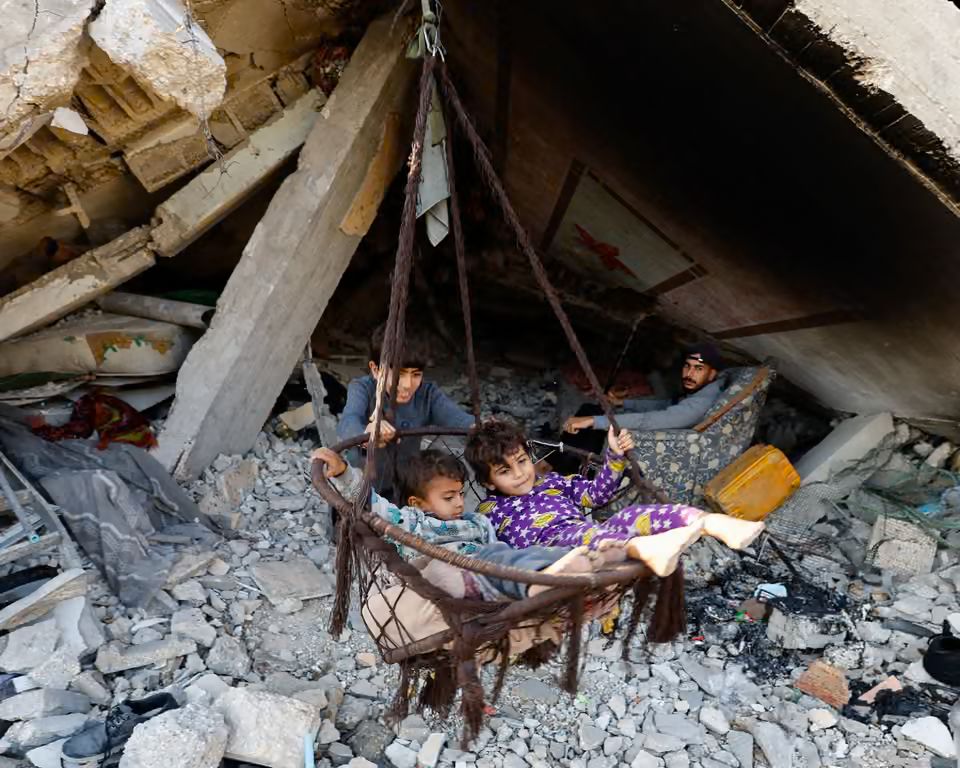
Four children were injured today, Friday, when an Israeli occupation drone dropped a bomb on them in the northern Gaza Strip.
Medical sources reported that 4 children arrived at Al-Shifa Medical Hospital, west of Gaza City, as a result of their injuries after an Israeli drone dropped a bomb on them in the Sultans area in the town of Beit Lahia, north of the Gaza Strip.
The death toll and injuries since the ceasefire agreement on October 11, 2025 has reached 312 Palestinians killed, 760 injured, and 572 bodies recovered. No Israelis have been killed or injured by the Palestinian resistance since the ceasefire was declared.
Also Friday, Israeli cranes open fire towards homes in the neighborhood of Qizan Al-Najjar, south of Khan Younis.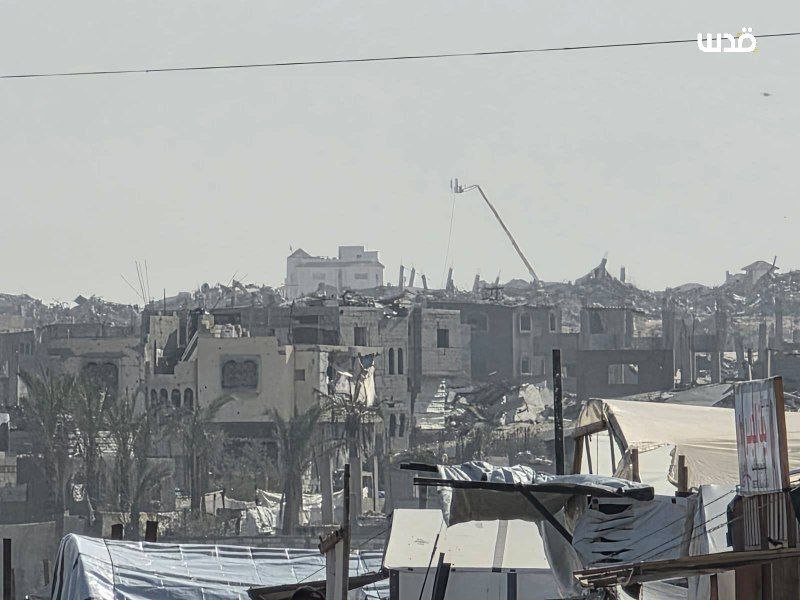
A grieving Palestinian woman was shocked by the loss of her last son, who was killed by Israeli army gunfire in eastern Khan Younis while trying to retrieve some clothes for his mother.
He was the last son she had remaining after Israel killed all of her children during the genocidal war on the war‑torn enclave, which lasted for two years.
UNICEF reported Friday that 67 children have been killed during the ceasefire – an average of two children each day.
“Yesterday morning, a baby girl was reportedly killed in Khan Younis by an airstrike, while the day before, seven children were killed in Gaza City and the south,” said Ricardo Pires, spokesperson for the UN Children’s Fund, UNICEF.
In an update, Mr. Pires told journalists: “There’s only one party to the conflict in Gaza with the firepower to do airstrikes.”
His comments came as NGO Doctors Without Borders reported that a nine-year-old girl is receiving treatment for facial wounds after gunfire from quadcopter drones was reported on Wednesday.
Alongside the ongoing insecurity, UN aid teams including the World Food Programme (WFP) continue to push for greater access to Gazans, including hundreds of thousands of displaced and extremely vulnerable families.
The agency is now sending approximately 100 trucks per day into the enclave loaded with relief supplies, which is almost two-thirds of its daily target amount – “a step in the right direction” – said Abeer Etefa, WFP Senior Spokesperson for the Middle East, North Africa and Eastern Europe.
She noted that although deliveries from the commercial sector are also crossing into Gaza, the main problem for UN and non-UN actors “is the fact that a lot of these food supplies stay in border crossing points for long days and therefore you know the possibility of them going bad is high.”
From inside Gaza, WFP Head of Communications in Palestine Martin Penner described the dire situation confronting the enclave’s exhausted people, after more than two years of war.
“One woman told us that she feels like her whole body is crying out for different kinds of food, different from the canned food and the dry rations that people have been living on for two years,” he said.
Markets are returning to Gaza stocked with food too, “but prices are still out of reach for most people,” Mr. Penner insisted. “A chicken costs $25, a kilo of meat $20. So many people still rely on food aid, food parcels, bread from bakeries.”
One mother told him that she did not take her children to market “so that they won’t see all the food that’s available…If they go near the market, she tells them to cover their eyes.
Another woman in the same town said she buys one apple and divides it between her four children.
Meanwhile, healthcare in the Gaza Strip remains devastated and inadequate to treat trauma victims and those requiring specialist care.
“Gaza’s doctors tell us of children they know how to save but cannot,” said UNICEF’s Mr. Pires, who reeled off a list to journalists of youngsters “with severe burns, shrapnel wounds, spinal injuries, traumatic brain injuries, children with cancer who have lost months of treatment. Premature babies who need intensive care. Children who need surgeries that simply cannot be done inside Gaza today.”
Around 4,000 children are still waiting to be evacuated, including two-year-old Omyma “whose heart is failing because of a congenital issue doctors in Gaza cannot treat. She needs surgery urgently to save her life,” Mr Pires noted.
14-year-old Palestinian girl Batoul Mattar is battling a malignant spinal tumor that has severely eroded her lumbar and sacral vertebrae, leaving her partially paralyzed and unable to move.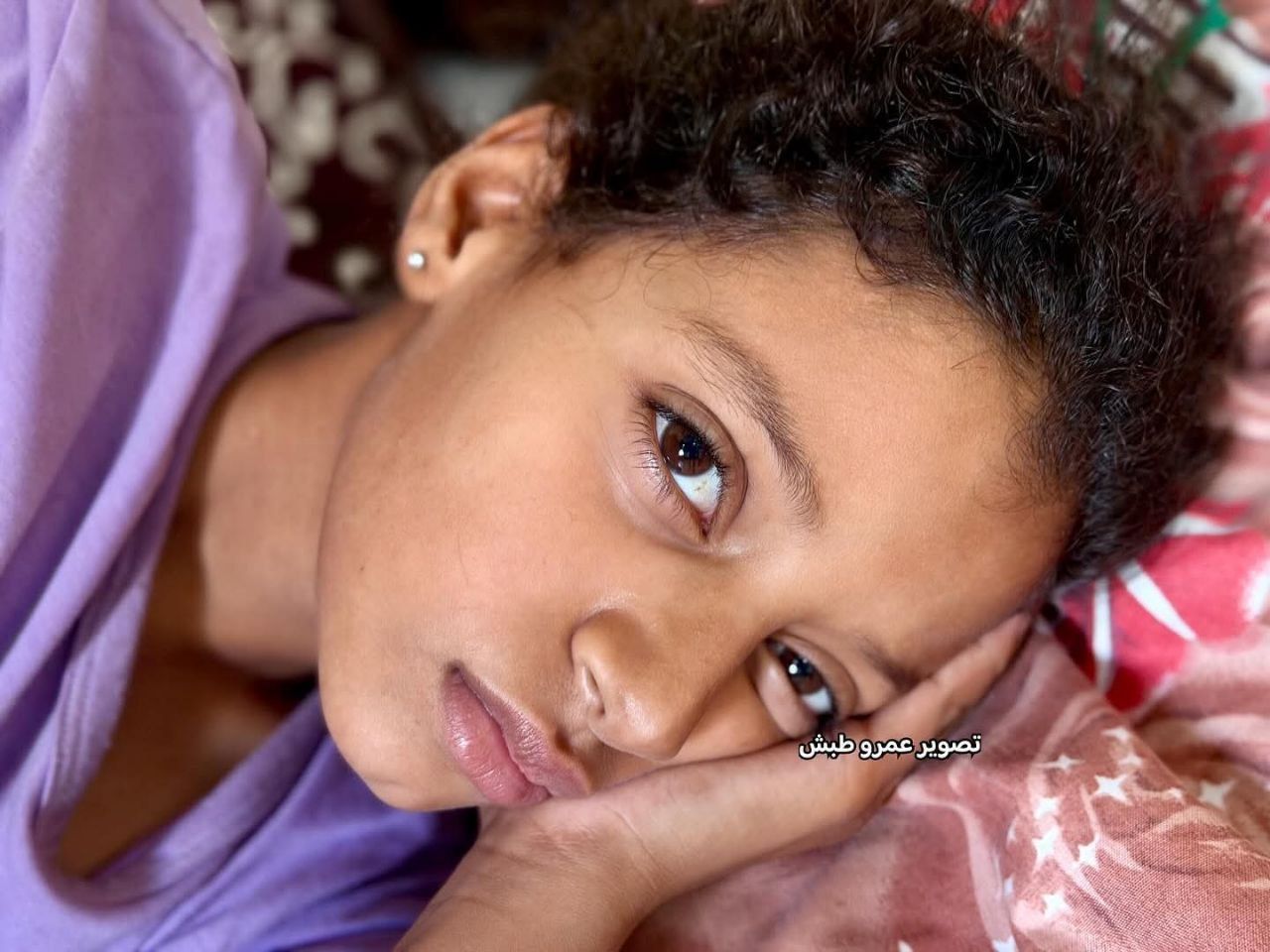
She suffers from severe pain throughout her body, recurrent seizures, persistent high fever, and difficulty controlling urination and bowel movements.
Doctors have performed temporary surgeries to slow the tumor’s growth, but the mass continues to aggressively destroy her spinal vertebrae.
Due to the tumor’s sensitive location and the lack of advanced medical resources in Gaza amid Israel’s continuing siege, local doctors cannot remove it.
Medical experts urgently recommend transferring Batoul abroad for treatment before her condition deteriorates further.
Meanwhile, aid organizers warn of a catastrophic collapse in donations for Gaza since the October ceasefire, even as Palestinians continue to face hunger, homelessness, and a destroyed health system, The Guardian reports.
Volunteers who sustained families for two years say donations have plunged by more than half. One organizer who once raised $5,000 a week now barely reaches $2,000 a month across nearly 100 aid funds.
Larger initiatives are seeing the same crash: Gaza Soup Kitchen, which feeds 10,000 people daily, reports a 51% drop.
Aid workers stress that the ceasefire only stopped the bombs, it did not rebuild homes, restore food supplies, or repair Gaza’s shattered infrastructure. With 1.9 million Palestinians exposed to winter storms in ruined or temporary shelters, needs are rising.
Inside Gaza, families dependent on small fundraisers say they are slipping back into extreme hardship.
