
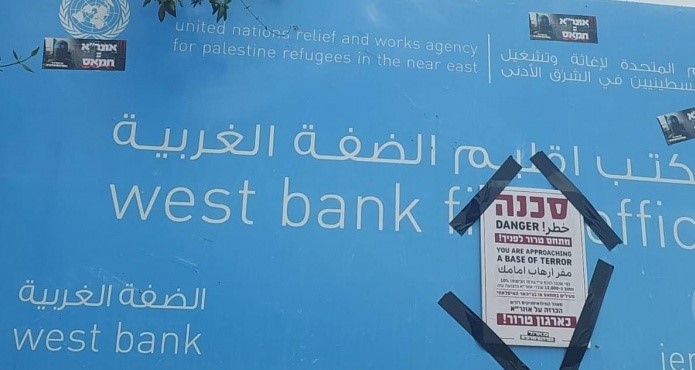
The Israeli Knesset has approved legislation ordering the immediate cutoff of electricity and water to offices and properties used by the United Nations Relief and Works Agency for Palestine Refugees (UNRWA) in occupied Jerusalem, after the bill passed its final readings with fifty-nine votes in favor and seven against.
The law prohibits service providers from supplying electricity or water to any facility registered under UNRWA’s name and grants the state authority to seize certain UNRWA‑used properties in Jerusalem without legal or administrative proceedings.
The bill was initially endorsed in November before being reviewed by the Knesset’s Foreign Affairs and Defense Committee and returned for its second and third readings.
During the debate, Israeli Energy and Infrastructure Minister Eli Cohen defended the measure, saying UNRWA “provides a breeding ground for incitement and violence, and therefore has no right to continue existing.” Several lawmakers echoed similar claims, arguing that the agency should be removed from Jerusalem entirely.
UNRWA, however, remains the primary provider of essential services to more than 110,000 Palestinian refugees in Jerusalem.
The agency operates schools, clinics, and community institutions in Shu’fat, Qalandia, Sur Baher, and other areas of the city. Its facilities include the Indian Corner Clinic near Damascus Gate and multiple boys’ and girls’ schools serving refugee communities.
UN officials and legal experts have sharply criticized the Knesset’s decision. A senior UNRWA representative said the move “directly undermines humanitarian operations and violates Israel’s obligations under international law.”
Analysts note that the legislation contradicts the UN Charter and longstanding General Assembly resolutions, including Resolution 302, which established UNRWA in 1949 to address the needs of Palestinian refugees.
The agency’s mandate remains tied to the unresolved status of refugees and the unimplemented provisions of Resolution 194, which affirm their right of return.
Humanitarian organizations warn that cutting utilities to UNRWA facilities will disrupt critical services, including healthcare, education, and social support for tens of thousands of refugees who rely on the agency’s presence in Jerusalem.
