
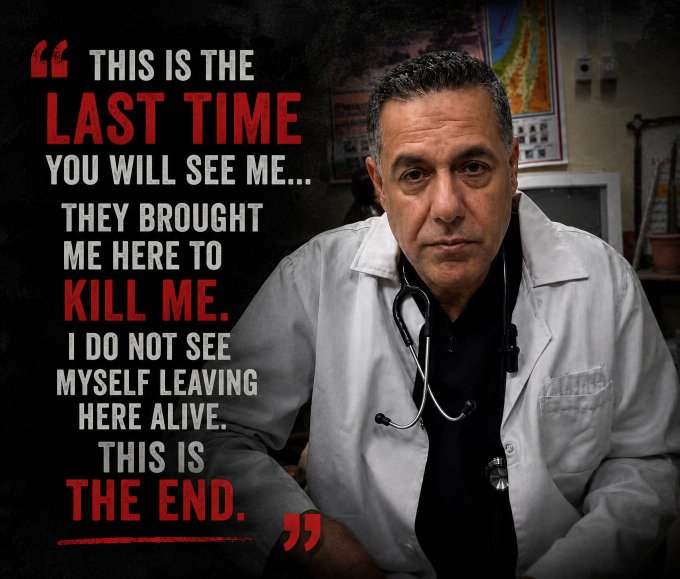
Dr. Husam Abu Safiya, a well-known and respected surgeon in Gaza, is reportedly ‘near death’ due to extensive beatings and torture by Israeli prison authorities, according to his lawyer.
His lawyer visited him in the underground interrogation unit “Rakefet” inside Nitzan Prison. According to his lawyer, Dr. Abu Safiya was brought to the meeting handcuffed and shackled, with fresh injuries to his head, face, and body.
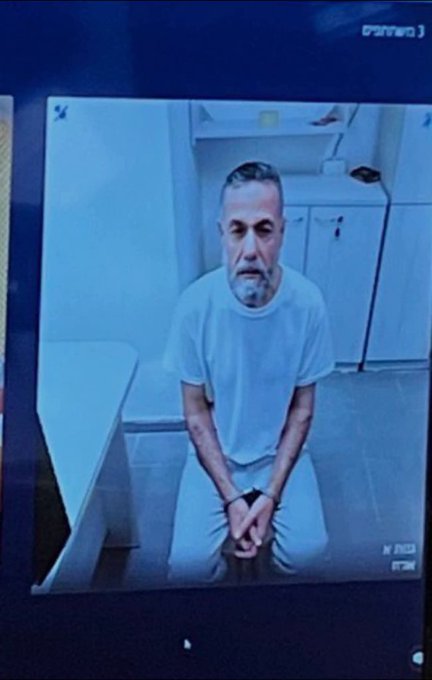
The Palestinian Prisoners Society reported that Abu Safiya was recently transferred to a section known as “Rakefet”, which Palestinian human rights groups describe as one of the most notorious and brutal sections inside the Israeli prison system, amid growing concerns about his health.
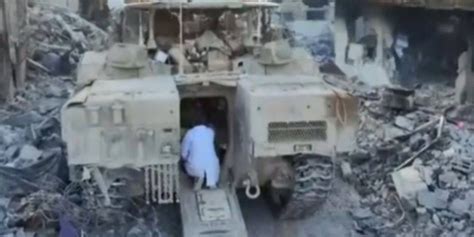
The Prisoners Society added in a statement that Abu Safiya is still being held without formal charges, under what is known as the “Illegal Fighter Law,” though Abu Safiya has never had any association with any resistance group. His targeting was stated by Israeli officials as having been because he refused to leave Kamal Adwan Hospital, and instead remaining to treat patients throughout the Gaza genocide until he was summoned by soldiers in a tank. One of the most famous photos from the Gaza genocide was Dr. Abu Safiya approaching the tank through the rubble of the hospital, wearing his white medical coat.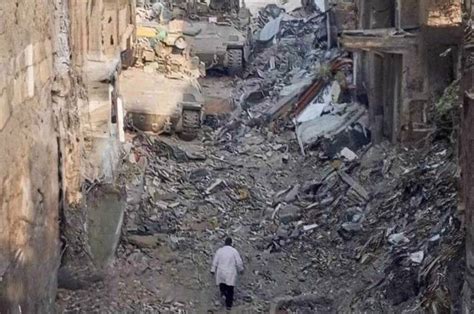
The statement indicated that the continued detention of medical personnel from the Gaza Strip, including Abu Safiya, comes in the context of targeting health personnel, calling on international human rights institutions, the Red Cross, and the United Nations to intervene urgently to ensure their protection and release.
The Prisoners Society held the Israeli occupation fully responsible for the lives of Abu Safiya and the rest of the medical personnel being held as prisoners. It also held the countries and entities providing political and military support to the Israeli occupation responsible for the continuation of these crimes and serious violations of international law.
The Prisoners’ Club emphasized that mere statements by international bodies are insufficient, given Israel’s systematic policy of extermination and physical and psychological destruction faced by prisoners.
The statement concluded with Dr. Abu Safiya’s words to his lawyer, “This is the last time you will see me … They brought me here to kill me. I don’t see myself alive. This is the end.”
A solidarity march was quickly organized in Sweden, calling for the immediate release of Dr. Abu Safiya and all Palestinian political prisoners from Israeli torture and death camps, including the infamous Sde Teiman torture camp in the Negev Desert.
