
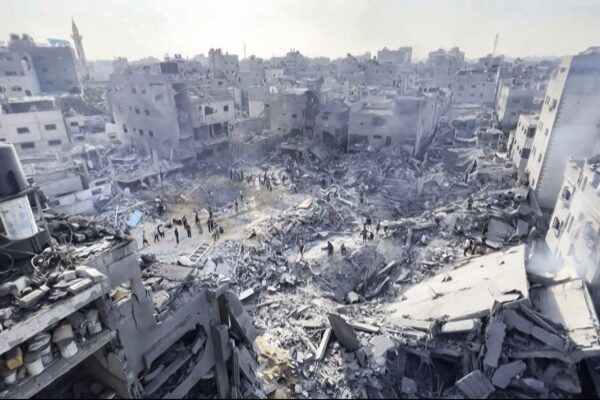
For the 227th consecutive day, Israeli forces have breached the ceasefire in Gaza, conducting airstrikes, artillery bombardments, controlled demolitions, and naval fire that struck homes, displacement shelters, and the shoreline.
Medical and civil‑defense sources report multiple deaths and injuries — including three members of one family killed in Nuseirat, in central Gaza, the sniper killing of a man in Jabalia, in northern Gaza, the recovery of eight‑year‑old Hani Abdullah Shakshak from a tent, and three fishermen wounded off Gaza’s coast — while critical shortages of medicines now threaten thousands of patients and repeated disruptions to supply lines deepen an escalating humanitarian crisis.
Medical teams and civil‑defense officials said strikes on Sunday hit homes and tents sheltering displaced families across the Strip.
Israel has bombed Gaza’s Nuseirat refugee camp, killing Mohamed Abu Malouh, his wife Alaa Zaqlan and their baby, Osama, as they slept.
Gaza officials say Israel has killed more than 880 Palestinians since the so-called October “ceasefire”. pic.twitter.com/5eb0Zxchqj
— Al Jazeera English (@AJEnglish) May 24, 2026
In the Nuseirat refugee camp, an attack on a residential apartment killed three members of the same family: Mohammad Ibrahim Abu Mallouh (38), his wife Alaa Majdi Zaqlan (36), and their baby Osama (1). Several others were wounded when warplanes struck the building.
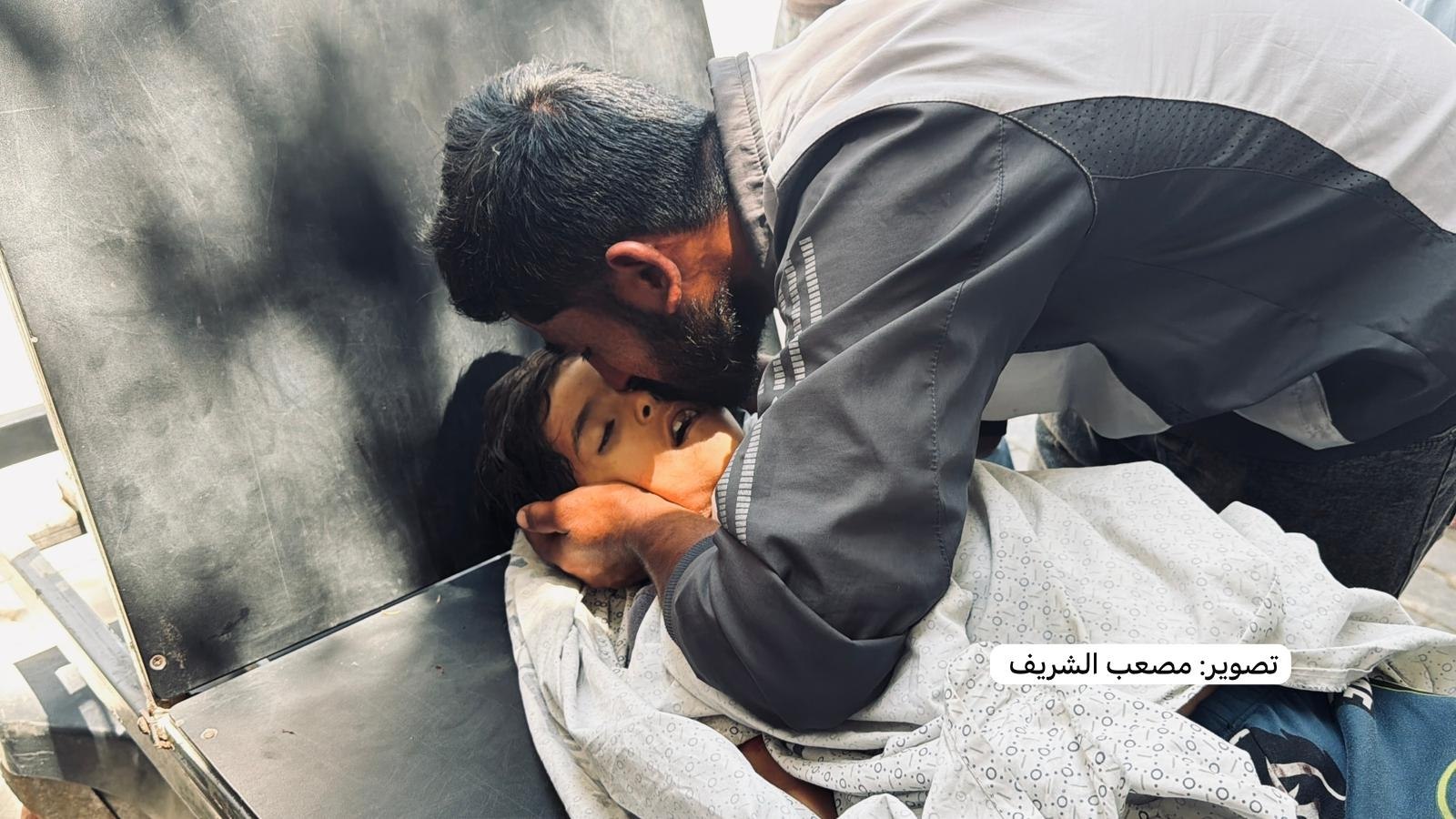
The Palestinian Civil Defense reported at least four displaced people killed since dawn and said its rescue teams recovered the body of Hani Abdullah Shakshak (8) inside a tent after he went missing during strikes on the al Tuwam area in northwest Gaza.
Medics at the Shifa Hospital confirmed the death of Samih Dardouna, 23, who was shot by an Israeli army sniper near an agency clinic in Jabalia camp.
One of his relatives said the slain man went out looking for food to feed his displaced children when the Israeli sharpshooter fatally shot him.
Naval vessels off Gaza City fired heavy machine‑gun rounds toward the shoreline, and forces carried out controlled demolitions of homes in eastern Khan Younis, Gaza City and the northwest of the Strip, alongside artillery strikes in Deir al‑Balah and air raids in the north.
Israeli forces also directly targeted Palestinian fishermen off Gaza’s coast, opening fire on men who go to sea to survive and feed their families amid the siege and shortages. Three fishermen were wounded and were reported evacuated for treatment.
Humanitarian and health authorities warn that medicine stocks are critically low across Gaza, endangering thousands of patients who depend on regular treatment for chronic and acute conditions.
Repeated strikes and interruptions to supply routes have compounded shortages of essential drugs, medical supplies, and fuel for hospitals, increasing the risk of preventable deaths and further straining already overwhelmed health facilities.
Conditions in detention facilities are also deteriorating. The Palestinian Prisoners Society reported a rapid spread of scabies in several sections of Israeli prisons, based on documented legal visits in April and May.
The society said overcrowding, poor sanitation and limited medical care have produced a marked deterioration in detainees’ health, with lawyers reporting rising infection rates and warning that additional diseases could emerge under current conditions.
A recent statistical analysis cited in local reporting indicates the Gaza Strip accounted for more than 42 percent of recorded attacks on food supply chains worldwide over the past eight years.
The analysis, covering the period after UN Security Council Resolution 2417, documented more than 20,000 incidents of so‑called “food‑related violence” since 2018 and highlighted the growing use of hunger as a coercive tool in armed conflicts. Humanitarian monitors say such attacks and blockages of aid routes have severely limited food access for large segments of the population.
The Palestinian Ministry of Health reported that hundreds of displaced people have been killed or wounded since the ceasefire took effect, and that the overall toll since October 7, 2023, has reached tens of thousands killed and hundreds of thousands injured.
Attacks on displacement sites, medical facilities and humanitarian supply lines are intensifying the emergency and raising urgent questions about civilian protection and access for relief operations.
The cumulative effect of renewed strikes, naval fire, demolitions, and supply‑chain disruptions is deepening an already acute humanitarian crisis in Gaza: displaced families remain exposed inside displacement camps and shelters, hospitals face critical shortages, detainees confront worsening health conditions, and food and medical aid face persistent obstacles to delivery.
